
In the late 1970s, at the height of his global fame, Bob Marley was more than a musician—he was a cultural force, a voice of resistance, and a symbol of unity.
But behind the rhythm and message, a silent and deadly illness had already begun its course. In 1977, what seemed like a minor injury during a football match led to a medical examination that would change everything.
Doctors discovered a rare and aggressive form of skin cancer—Acral lentiginous melanoma—beneath the nail of Marley’s toe. Medical advice was clear: amputate the toe immediately to stop the cancer from spreading.But Marley chose a different path.Instead of full amputation, he opted for a less invasive procedure, removing the nail and affected tissue.
For a time, he continued performing, touring, and recording—seemingly unstoppable, still commanding stages across the world.
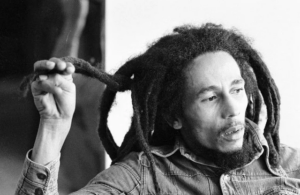
Yet beneath the surface, the disease was advancing.By 1980, the cancer had spread beyond the original site, reaching his lungs and brain.
During a tour in the United States, Marley collapsed while jogging in New York. It was a turning point—his condition was no longer manageable.
What followed was a desperate search for treatment. Marley traveled to Europe, where he underwent alternative therapies in Germany. Despite months of effort, his health continued to decline.
By May 1981, his condition had become critical. On May 11, Bob Marley died in Miami at just 36 years old.Medical experts say that once melanoma spreads to major organs, survival rates drop sharply, even with treatment.
The disease that began in a single toe had become unstoppable.
Bob Marley’s death was not just the loss of an artist—it was the silencing of a global voice. Yet his music, message, and legacy endure, transcending the illness that claimed his life.
In the end, the story of Bob Marley is not only about how he died—but how he lived, and what he left behind.